Malta looks simple on a map.
The island is small, the main towns are close together and you can drive from one side to the other in a surprisingly short time. Yet once you arrive, you quickly discover that travelling around Malta is not quite as straightforward as the map suggests.
Traffic can turn a short journey into a much longer one. A place that looks like a quick stop can easily take half a day. And while Malta is famous for its beaches and sunshine, there is much more to the islands than that.
For a first visit, a little planning makes a big difference. Not because you need to organise every minute of your holiday, but because knowing how Malta works helps you make better choices once you’re here.
Malta Is Small, But Don’t Try to See Everything
One of the easiest traps when planning a Malta holiday is looking at the map and thinking: It’s all so close.
In geographical terms, that’s true. Valletta, Mdina, Marsaxlokk, the Three Cities and the beaches in the north are not far apart compared with destinations in larger countries.
The problem is that roads, traffic and public transport don’t always follow the straight lines you see on a map.
A journey of a few kilometres can take much longer than expected, particularly around Valletta, Sliema and St Julian’s during busy periods. If you’re travelling by bus, you’ll also need to allow some flexibility for traffic.
That’s why a good Malta itinerary isn’t necessarily the one that fits in the most places.
It’s the one that gives you enough time to actually enjoy them.
You might spend a morning exploring Valletta, have lunch overlooking the harbour and then realise that you don’t really want to rush off to the next attraction. That’s fine. Malta is small enough that you can always come back.
Where You Stay Shapes Your Holiday
The same applies to choosing where to stay.
Malta may be small, but the atmosphere can change considerably from one area to another. Valletta feels historic and urban, Sliema is more modern and convenient, while St Julian’s is livelier and has a strong nightlife scene.
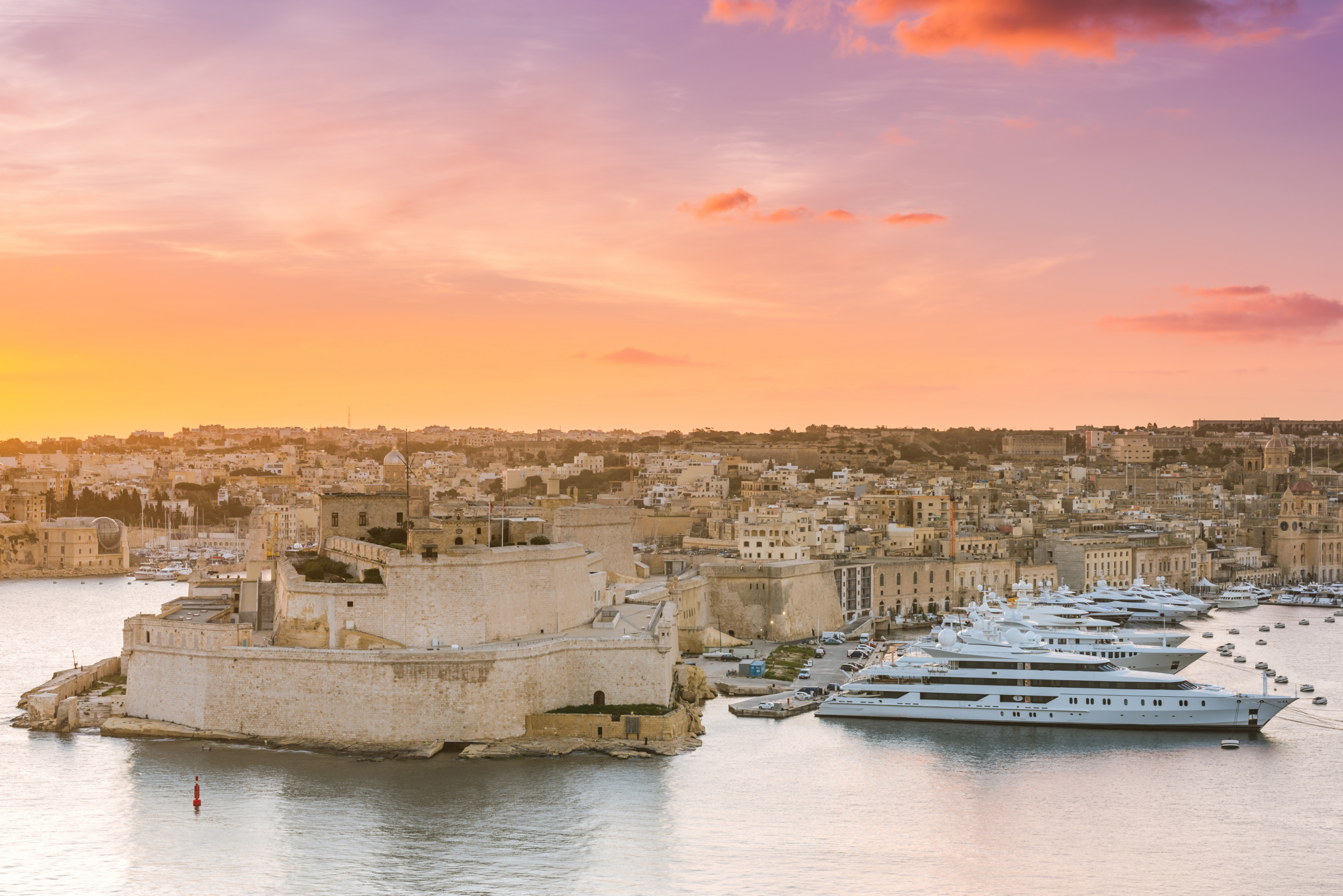
Then there are places such as Birgu, Senglea and Kalkara around the Grand Harbour, where the pace is noticeably quieter and the surroundings feel much more residential and historic.
In the north, Mellieħa makes more sense if beaches and a slower holiday are important to you. And then there is Gozo, which feels different again.
There isn’t one location that is right for everyone.
If you’re still deciding, our guide to Where to Stay in Malta looks at the main areas and what each one is actually like.
You Probably Don’t Need a Rental Car
Another thing worth deciding before you arrive is whether you actually need a car.
For many visitors, the answer is no.
Malta has a public bus network, ferries connect the harbour towns, and services such as Bolt make it relatively easy to get somewhere when public transport isn’t convenient. In places like Valletta and the Three Cities, walking is often the best way to explore anyway.
A car starts making more sense when you want to explore remote beaches, smaller villages or several places in one day. It can also be useful on Gozo if you want the freedom to explore beyond the main tourist spots.
But if you’re spending several days around Valletta, a rental car can sometimes create more problems than it solves. Traffic and parking are simply part of the equation.
If you’re unsure, it’s worth reading our guide to getting around Malta before booking a car.
The Harbour Is Part of the Journey
One of the nicest things about Malta’s geography is that the sea isn’t always something you travel around.
Sometimes you can travel across it.
The ferry between Valletta and Sliema is a good example. Instead of sitting in traffic around the harbour, you cross the water and arrive directly in the other city.
The same applies to the ferry connecting Valletta with the Three Cities.
For visitors staying around the Grand Harbour, these crossings can become part of everyday travel rather than something you do once for the experience.
And there is something particularly enjoyable about arriving in Valletta from the water.
The city looks completely different from the harbour.
Malta’s Beaches May Not Look Like You Expect
If you’re coming to Malta expecting endless sandy beaches, it’s worth adjusting your expectations slightly.
There are beautiful sandy beaches, particularly in the north of the island. Mellieħa Bay is probably the best-known example.
But Malta’s coastline is much more varied than that.
There are rocky swimming areas, small coves and places where you enter the Mediterranean from a ladder rather than walking across a beach.
For some visitors, this is actually one of the best things about Malta.
You can finish a morning of sightseeing, find a spot by the sea and simply jump into the water.
You don’t always need a huge beach or a resort around you.
Summer Is Beautiful – But Plan Around the Heat
Malta’s summer weather is one of its biggest attractions, but it also changes the way you should plan your days.
Walking through Valletta at midday in July or August is very different from walking through the same streets early in the morning.
The same applies to Mdina, archaeological sites and longer coastal walks.
Rather than trying to avoid the heat completely, it makes more sense to work with it.
Explore earlier in the day, take a longer lunch, go swimming in the afternoon and save your evening for dinner and a walk.
That rhythm often feels much more natural than trying to maintain a packed sightseeing schedule from morning until night.
There Is Much More History Than Valletta
Valletta is the obvious starting point for discovering Malta’s history, but it is only one part of the story.
The fortified city of Mdina, the Three Cities, Rabat, the prehistoric temples and countless village churches all show different sides of the islands‘ past.
Malta’s history stretches back thousands of years, and you don’t need to be a serious history enthusiast to notice it.
Sometimes it is simply part of the scenery.
A street in Birgu, an old limestone house in a village or a church dominating a town square can tell you something about Malta without you ever entering a museum.
Give Yourself Time for the Quieter Side of Malta
The busiest places aren’t necessarily the most interesting places.
Valletta can be lively during the day and remarkably peaceful in the early morning. Mdina changes completely once the day-trippers leave. The Three Cities become particularly atmospheric in the evening.
This is one reason staying in a historic area can be so enjoyable.
You aren’t simply visiting for two hours and leaving again. You get to see what the place feels like once the crowds have gone.
The same idea applies to smaller towns and villages around Malta.
You don’t have to spend every evening in a busy tourist centre.
Sometimes a quiet dinner overlooking the harbour is exactly what you need after a day of sightseeing.
Gozo Deserves More Than a Quick Tick on the Map
Gozo is easy to visit as a day trip, and if you only have a few days in Malta, that’s perfectly reasonable.
But if you’re staying for a week or longer, it is worth considering an overnight stay.
The island has a slower rhythm and a more rural character. Villages, countryside, coastal walks and quieter swimming spots create a noticeably different experience from the main island.
That doesn’t mean Gozo is automatically better.
It’s simply different.
For a short first trip, staying on Malta itself usually makes exploring easier. With more time, combining the two islands can give you a much broader impression of the country.
You Don’t Have to Plan Every Hour
Perhaps the most useful thing to know before coming to Malta is that you don’t need a perfect itinerary.
It’s tempting to fill every day with attractions.
Valletta in the morning. Mdina after lunch. Marsaxlokk in the afternoon. Dinner in Sliema. Sunset somewhere else.
It can work.
But some of the best Malta experiences happen when you don’t rush.
You might find a small café you like. You might discover a swimming spot you hadn’t planned to visit. You might enjoy an evening in Birgu and decide that there is no reason to go anywhere else.
Leave some space.
Malta is small enough that you can see a lot without turning the holiday into a race.
A Few Practical Things Are Worth Knowing
English is one of Malta’s two official languages alongside Maltese, so communication is generally straightforward for visitors.
The currency is the euro, and cards are widely accepted. Keeping a little cash with you is still useful for smaller purchases.
Malta drives on the left, something worth remembering if you’re renting a car.
And if you’re visiting during the busiest summer months, booking popular restaurants, accommodation and certain attractions in advance can save you some unnecessary hassle.
For current practical information about travelling to Malta, including transport, weather, currency and other essentials, it’s worth checking the official VisitMalta information before your trip.
What Does a Good First Malta Trip Actually Look Like?
There isn’t one perfect itinerary.
For a first visit, though, I’d make sure to experience a mixture of things rather than spending the entire holiday in one type of environment.
Spend time in Valletta.
See the Three Cities.
Explore Mdina and Rabat.
Have at least one proper swimming day.
Eat some local food.
Take time to walk along the coast.
And if you have enough days, visit Gozo.
You don’t need to see every attraction on the island.
You just need to experience enough different sides of Malta to understand why people come back.
Final Thoughts
Before your first trip to Malta, you don’t need to know everything.
It is enough to understand that the islands are a little more varied than they first appear.
Malta can be busy and quiet, historic and modern, urban and rural. You can spend a morning surrounded by thousands of years of history and an afternoon swimming in the Mediterranean.
And sometimes the best part of the day isn’t the attraction you planned to visit.
It might be a ferry ride across the harbour.
A quiet street in Birgu.
A swim before dinner.
A table overlooking the water.
Or simply finding a place you hadn’t heard about before.
That’s part of the appeal of Malta.
Leave a little room in your plans, and let the islands surprise you.
Schreibe einen Kommentar