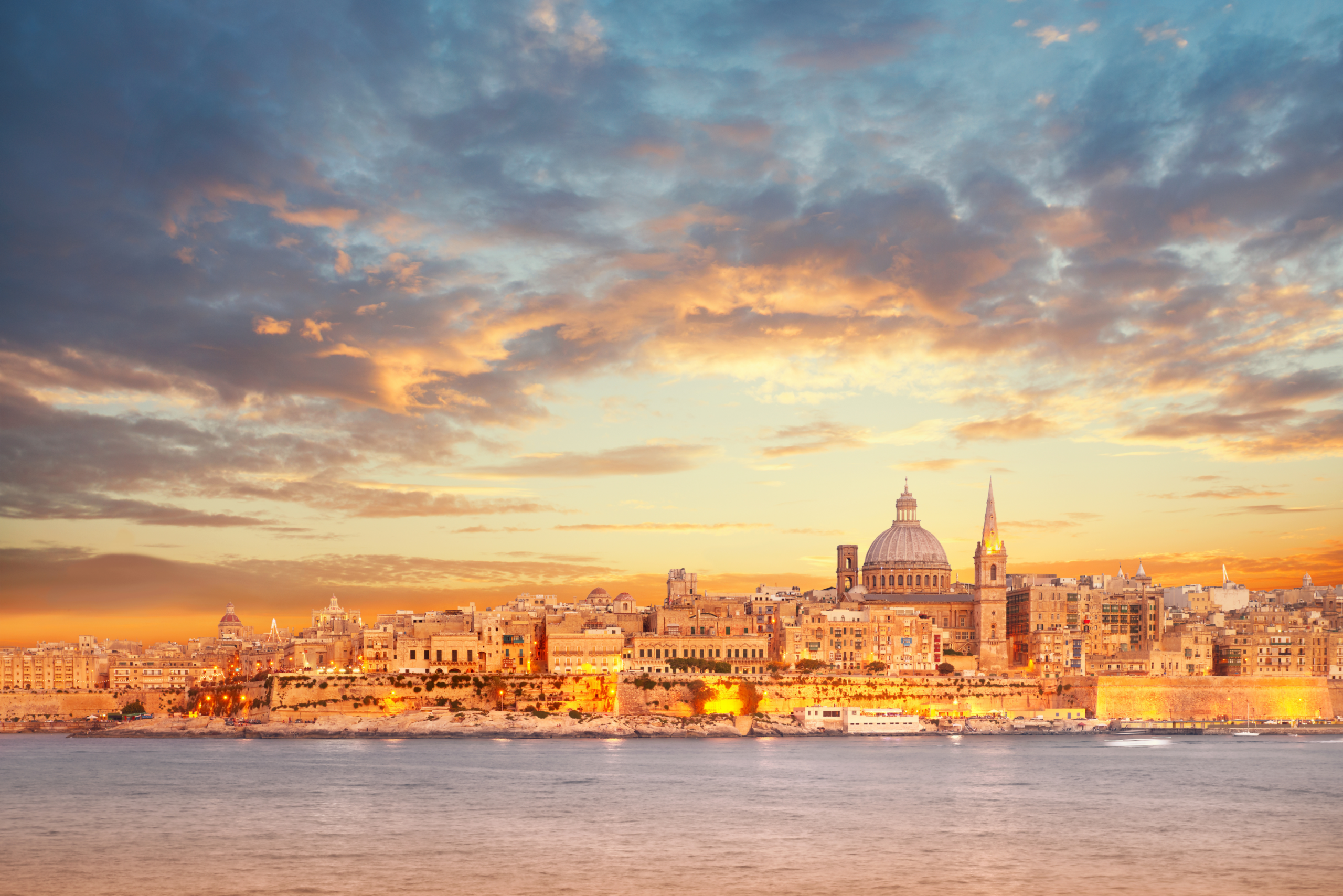
December in Malta is a different experience from the sun-soaked summer holidays the island is famous for. The beaches are quieter, the countryside begins to turn green, and historic towns feel more relaxed without the intense heat and crowds of July and August. You might spend one afternoon walking along the coast in the sunshine and the next exploring a museum while rain taps against the windows of an old limestone building.
For travellers who enjoy history, local culture, scenic walks and good food, December can be a wonderful time to visit Malta. The island does not shut down for winter. Valletta remains lively, the Three Cities are full of character, and places such as Mdina, Rabat and Gozo offer plenty to discover. Towards the end of the year, Christmas decorations and seasonal events add another dimension to the experience.
But what is Malta really like in December? Is it warm enough to sit outside? Does it rain a lot? Can you swim, and are restaurants and attractions still open?
This guide covers what you need to know about visiting Malta in December, from the weather and the best places to explore to practical advice on what to pack, how to get around and where to stay.
Is December a Good Time to Visit Malta?
Yes, December can be an excellent time to visit Malta, especially if you are more interested in exploring the island than spending every day at the beach.
One of the biggest advantages is the comfortable sightseeing weather. While summer temperatures can make long walks through historic cities exhausting, December often brings cooler conditions that are better suited to discovering places on foot. You can explore Valletta’s streets, climb towards Mdina’s viewpoints or wander through the Three Cities without constantly looking for shade.
The atmosphere also changes. Outside the busiest festive dates, many areas feel calmer than in summer. Popular attractions remain worth visiting, but you may have more space to appreciate their architecture and history. Restaurants and cafés continue to welcome visitors, although some seasonal businesses in beach resorts may close or reduce their hours.
December is also a lovely month for experiencing Malta’s everyday character. Local neighbourhoods are less dominated by summer tourism, traditional cafés feel especially inviting, and the island’s historic buildings look beautiful in the softer winter light.
The main consideration is the weather. Malta is not a guaranteed winter-sun destination. Rain, wind and cool evenings are all part of December, so flexibility is important. If your ideal holiday involves swimming every day and relaxing on a sun lounger, summer or early autumn would be a better choice. If you enjoy a combination of culture, scenery, food and relaxed exploration, December has plenty to offer.
What Is the Weather Like in Malta in December?
Malta has a Mediterranean climate, which means winters are generally mild compared with much of northern and central Europe. However, December is one of the wetter months of the year, and the weather can be changeable.
<text>Typical December conditions in Malta:</text>
| Weather | What to expect |
|---|---|
| Average daytime highs | Around 16–18°C |
| Average nighttime lows | Around 11–13°C |
| Sea temperature | Around 18°C |
| Rain | Showers and occasional longer wet spells |
| Sunshine | A mixture of sunny periods and cloudy days |
| Daylight | Approximately 10 hours |
These figures are approximate climate averages, not a forecast for a particular December. Actual conditions can vary considerably from one week to another.
Is Malta Warm in December?
It depends on what you consider warm. Compared with Germany, the United Kingdom or northern Europe, Malta can feel pleasantly mild in December. On a calm, sunny afternoon, sitting outside with a coffee may be perfectly comfortable.
But the temperature alone does not tell the whole story. Malta can be windy, and the combination of sea breeze, humidity and exposed waterfront locations can make the air feel colder than expected. Once the sun sets, a jacket or warm jumper becomes essential.
The most useful approach is to pack layers. That way, you can enjoy the sunshine when it appears without being caught out by a sudden change in the weather.
Does It Rain a Lot in Malta in December?
December is part of Malta’s wetter season, so rain is a realistic possibility. However, that does not mean you should expect continuous rain throughout your holiday.
Some days are bright and clear, while others bring showers, heavy clouds or strong winds. Occasionally, unsettled weather can last longer. The important thing is to avoid planning a trip that depends entirely on outdoor activities.
If you are staying for several days, keep your itinerary flexible. Choose the best-looking day for coastal walks or a trip to Gozo, and save museums, churches or other indoor attractions for less favourable weather.
How Long Are the Days in December?
December has the shortest days of the year in Malta, with roughly ten hours of daylight. Sunset is generally around the late afternoon, close to 5 pm.
This is worth considering when planning sightseeing. If you want to visit several outdoor locations, start earlier in the morning and avoid leaving scenic viewpoints until too late.
On the positive side, the low winter sun creates beautiful light across Malta’s limestone buildings and harbours. The late afternoon can be one of the most atmospheric times to explore, particularly around Valletta and the Grand Harbour.
The Best Things to Do in Malta in December
The best December activities are those that make the most of Malta’s history, architecture, scenery and local culture. You do not need beach weather to enjoy the island, and some places are arguably more comfortable to explore in winter than during the height of summer.
1. Explore Valletta Without the Summer Heat
Valletta is one of the best places to visit in Malta in December. The capital is compact, rich in history and full of interesting places to discover within walking distance.
Begin with the Upper Barrakka Gardens, where you can enjoy one of the island’s most impressive views over the Grand Harbour. From here, continue through the historic streets towards St John’s Co-Cathedral, known for its richly decorated interior and remarkable works of art.
The Grandmaster’s Palace, MUŻA and the National Museum of Archaeology are also worth considering, depending on your interests and the time available.
One of Valletta’s greatest pleasures is simply walking. Its steep streets, traditional balconies, old doorways and glimpses of the sea make even an unplanned afternoon rewarding. December’s cooler temperatures mean you can take your time without the discomfort of the summer heat.
Stop for lunch, explore a small side street or spend an hour in a café. Valletta has enough restaurants and indoor attractions to make it a good choice even when the weather is uncertain.
During December, festive decorations bring additional colour to the capital, especially as evening approaches. You can enjoy the Christmas atmosphere without making it the focus of your entire visit.
If you would like a detailed route through the city, read our One Day in Valletta: The Perfect Walking Itinerary or explore our Complete Guide to Valletta.
2. Discover the Three Cities and the Grand Harbour
For a more intimate look at Malta’s history, spend time in the Three Cities: Birgu (Vittoriosa), Senglea and Cospicua.
These historic harbour towns are among the most rewarding places to explore in December. Their narrow streets and old stone buildings offer shelter from the summer sun during warmer months, but in winter they take on a different charm. The softer light brings out the warm colours of the limestone, and the quieter atmosphere makes it easier to appreciate the details.
Birgu is an excellent starting point. Walk through its historic streets, admire the traditional houses and continue towards the waterfront. The area around the marina offers lovely views across the harbour, while Fort St Angelo provides a connection to Malta’s maritime and military history.
From Birgu, you can continue towards Cospicua or visit Senglea for its beautiful views of Valletta. The Gardjola Gardens are particularly memorable on a clear day, with sweeping views across the water and the surrounding fortifications.
December is also a good time to enjoy a leisurely lunch by the harbour. Instead of rushing between attractions, allow time to sit, watch the boats and experience the neighbourhood at a gentler pace.
The Three Cities are especially appealing to travellers who enjoy places that combine history with everyday local life. For more ideas, explore our Guide to the Three Cities in Malta.
3. Visit Mdina and Rabat
Mdina is one of Malta’s most atmospheric destinations at any time of year, but December gives the ancient walled city a particularly peaceful character.
Known as the Silent City, Mdina is famous for its narrow streets, medieval architecture, imposing gateways and beautiful views across the island. Without the strongest summer heat, exploring on foot becomes much more comfortable.
Enter through the main gate and take your time wandering through the old streets. Admire the grand palaces, visit St Paul’s Cathedral if it is open and enjoy the views from the bastions.
The beauty of Mdina lies as much in its atmosphere as in its individual attractions. A quiet courtyard, a carved stone doorway or the sound of footsteps along a narrow street can be just as memorable as a major landmark.
Just outside Mdina lies Rabat, which is well worth including in your visit. Here you will find a more active local town, traditional bakeries, churches and historical attractions such as St Paul’s Catacombs.
Rabat is also a good place to stop for lunch or a coffee before returning to Mdina for the late-afternoon light.
If you visit in December, you may encounter seasonal decorations or Christmas events in the area. Check the local programme for your dates, as individual events vary from year to year.
4. Enjoy Malta’s Green Countryside
Many visitors associate Malta with dry summer landscapes, but winter reveals another side of the island.
After the autumn rains, the countryside begins to turn green. Fields become more colourful, rural paths feel fresher and the landscape offers a beautiful contrast to the stone villages and dramatic coastline.
December can be a wonderful month for walking, provided the weather is suitable.
The Dingli Cliffs are a popular choice for coastal scenery, with sweeping views across the open sea. On a clear day, the combination of green countryside and dramatic cliffs is especially beautiful.
The area around Għajn Tuffieħa also offers impressive coastal views and walking opportunities. The landscape here feels very different from Malta’s historic harbour towns, making it a rewarding change of scenery.
However, winter walks require some care. Paths can become muddy or slippery after rain, and exposed cliff areas can be dangerous in strong winds. Wear suitable shoes, stay away from cliff edges and avoid difficult coastal routes during unsettled weather.
For travellers who enjoy nature, December can be one of the most interesting months to discover Malta beyond its towns and beaches.
5. Take a Day Trip to Gozo
Gozo is an excellent choice for a day trip or an overnight stay in December.
Malta’s sister island has a slower pace, a more rural character and a landscape that becomes especially attractive during the cooler months. Green fields, small villages and dramatic coastal scenery make Gozo feel wonderfully different from the busier parts of Malta.
Start in Victoria, the island’s main town, and explore the Citadel, which offers panoramic views across Gozo. Its historic walls, narrow streets and museums make it a fascinating place to spend part of the day.
Other possibilities include the coastal scenery around Dwejra, the village of Xagħra and the island’s traditional squares and churches.
Gozo is also a lovely destination for a relaxed lunch. Winter is a good time to sit down for a traditional meal without feeling that you should be rushing to the next beach.
If you are planning a day trip, check ferry schedules and the weather forecast in advance. Strong winds and rough seas can affect travel conditions, and daylight hours are shorter than in summer.
It is better to explore a few places properly than to attempt to see the entire island in one day.
6. Visit Malta’s Museums and Historic Attractions
One advantage of visiting Malta in December is that you can enjoy its cultural attractions without feeling that you are missing valuable beach time.
The islands have a remarkable concentration of historical sites, reflecting thousands of years of human settlement and the influence of different civilisations.
In Valletta, St John’s Co-Cathedral is an essential stop for many visitors. Its richly decorated interior is a striking contrast to the relatively restrained exterior.
The National Museum of Archaeology offers insight into Malta’s prehistoric history, while MUŻA provides an opportunity to explore art in a historic setting.
Around the Grand Harbour, Fort St Angelo and other heritage sites tell the story of Malta’s strategic importance and maritime past.
Further inland, prehistoric temples and archaeological attractions reveal a much older chapter of the island’s history.
These places are particularly useful to keep in mind for rainy days, although some historic sites include outdoor areas and may be affected by severe weather.
Always check official opening hours before visiting, especially around Christmas and New Year’s Day.
7. Explore Malta’s Fishing Villages and Coastal Towns
December is also a good time to discover Malta’s smaller coastal communities.
Marsaxlokk, in the south of the island, is known for its traditional fishing boats and colourful harbour. On a clear winter day, a walk along the waterfront followed by a seafood lunch can be a lovely way to spend a few hours.
The village is particularly associated with its Sunday market, although the atmosphere and number of stalls can vary with the season and weather.
Another option is Marsaskala, where the long waterfront promenade offers opportunities for relaxed walks, cafés and views across the bay.
If you prefer dramatic coastal scenery, consider visiting areas around the Blue Grotto. Boat trips are highly dependent on sea conditions, particularly in winter, so do not assume they will operate on your chosen day. Even when boat excursions are unavailable, the surrounding landscape can still be impressive from suitable viewpoints.
December is a good time to enjoy these places for their scenery and local atmosphere rather than treating them only as stops on a summer beach itinerary.
8. Enjoy Malta’s Cafés, Restaurants and Local Food
Cooler weather makes December a particularly pleasant time to explore Malta’s food scene.
After a morning of sightseeing, there is something lovely about finding a welcoming café, ordering a coffee and taking a break before continuing your day.
Traditional Maltese food is especially satisfying in winter. Look out for dishes such as stuffat tal-fenek, a rich rabbit stew, or soppa tal-armla, a traditional vegetable soup often associated with home-style cooking.
Pastizzi, Malta’s famous savoury pastries, are another favourite. Filled traditionally with ricotta or mushy peas, they are inexpensive, widely available and ideal for a quick snack while exploring.
You may also find seasonal sweets in local bakeries, particularly as Christmas approaches.
Valletta has a wide choice of restaurants, ranging from casual local spots to more refined dining experiences. The Three Cities and surrounding harbour towns also offer appealing places for a meal, often with views of the water.
If you enjoy planning your meals around your sightseeing, our Guide to the Best Restaurants in Valletta is a useful starting point.
December is not necessarily a quiet month for restaurants, especially during festive weekends and public holidays. For a special dinner, it is wise to reserve a table in advance.
9. Experience Christmas in Malta
Christmas is an important part of December in Malta, bringing festive decorations, traditional celebrations and seasonal events to towns and villages across the islands.
Valletta is one of the main places to enjoy the Christmas atmosphere, with illuminated streets, a Christmas tree and organised activities during the festive season.
Traditional nativity scenes, known as presepji, are another distinctive feature of Maltese Christmas. They can be found in churches and seasonal exhibitions, reflecting the island’s strong cultural and religious traditions.
Christmas markets, concerts and family events may also take place in different localities, although their dates and programmes change each year.
If you are visiting around Christmas Eve or Christmas Day, remember that some attractions, restaurants and shops may operate on reduced hours. Christmas Day, 25 December, is a public holiday.
For a complete overview of festive activities, traditions, food and events, read our dedicated guide: Christmas in Malta: What to See, Do and Experience in 2026.
That article covers the Christmas season in detail, while this guide focuses on the wider experience of visiting Malta throughout December.
10. Celebrate New Year’s Eve in Malta
If your visit extends to the end of December, you may be able to enjoy Malta’s New Year’s Eve celebrations.
Valletta traditionally hosts a major public event, with music and entertainment bringing people together in the capital. Other venues, including the Valletta Waterfront, may also organise their own celebrations.
Programmes, performers, fireworks arrangements and transport information should always be checked through official organisers before making plans.
New Year’s Eve can be busy in popular areas, so booking a restaurant and arranging your return journey in advance is sensible.
If you prefer a quieter evening, Malta also offers the possibility of celebrating with a relaxed dinner and harbour views rather than joining a large public crowd.
Can You Swim in Malta in December?
Technically, yes. Some people swim in Malta throughout the winter, particularly on calm, sunny days.
However, the sea temperature in December is usually around 18°C, which feels cold to many visitors. The air temperature may also be cool, and windy conditions can make getting out of the water uncomfortable.
For most travellers, December is not the ideal month for a beach-focused holiday. Swimming is better treated as an occasional possibility rather than a central part of the itinerary.
If you do decide to swim, choose a safe location, check sea and weather conditions and avoid entering the water during rough seas. Malta’s rocky coastline and winter waves can be dangerous, even when the weather looks pleasant from a distance.
You can still enjoy the coast without swimming. Beach walks, harbour promenades and scenic viewpoints are among the pleasures of visiting Malta in winter.
What to Do in Malta When It Rains
A rainy day does not have to mean a wasted holiday in Malta. In fact, some of the island’s most interesting experiences are indoors.
Valletta is a particularly good destination for unsettled weather because several museums, churches and restaurants are located close together. You can visit St John’s Co-Cathedral, spend time in a museum and enjoy a leisurely lunch without needing to travel far between activities.
Rabat also offers historical attractions, including underground catacombs, while some of Malta’s museums and cultural venues provide an alternative to outdoor sightseeing.
Another option is to slow down. Choose a comfortable café, enjoy a long lunch or spend time exploring local food and traditions.
Winter travel is often more enjoyable when you allow yourself this flexibility. Rather than trying to follow a rigid schedule regardless of the weather, adjust your plans to suit the day.
Where to Stay in Malta in December
The best area to stay in Malta in December depends on the kind of holiday you want.
Unlike summer, when proximity to a beach may be the main priority, winter is a good time to think about access to historic towns, restaurants, public transport and places you can enjoy in different weather conditions.
Valletta
Valletta is an excellent choice for travellers who want museums, restaurants and cultural attractions within walking distance. It is particularly atmospheric during December, with Christmas decorations and seasonal activities adding to the city’s appeal.
However, accommodation in the capital may be more expensive than in some other areas, and its steep streets can be tiring if you have mobility difficulties.
Sliema and St Julian’s
Sliema and St Julian’s offer a wide range of accommodation, restaurants and services. They can be convenient for travellers who enjoy an urban setting with plenty of dining options.
Sliema also offers waterfront walks and ferry connections to Valletta, subject to weather and operating schedules.
St Julian’s is generally livelier, particularly around its entertainment areas, which may appeal to some visitors but not to those looking for a peaceful winter escape.
The Three Cities and Kalkara
For travellers who prefer a quieter setting with historic character, the Grand Harbour area is worth considering.
Birgu, Senglea, Cospicua and nearby Kalkara offer a different experience from Malta’s main tourist centres. Here, the attraction is not a long stretch of sandy beach but the combination of waterfront scenery, traditional streets and proximity to some of the island’s most interesting historic places.
Kalkara, in particular, has a more residential atmosphere. It is close to the Three Cities and provides a lovely base for travellers who enjoy exploring during the day and returning to a calmer neighbourhood in the evening.
At Front Row Malta, our guesthouse in Kalkara offers a starting point for discovering the Grand Harbour, Valletta and the island beyond. December can be a particularly appealing time to stay in this part of Malta, when the waterfront feels peaceful and the softer winter light brings out the beauty of the surrounding architecture.
Whichever area you choose, consider how you will get around and whether the location suits your plans for evenings and rainy days.
How to Get Around Malta in December
Getting around Malta in December is generally straightforward, although winter weather and holiday schedules can affect certain services.
Public Buses
Malta’s public bus network connects many towns, villages and attractions. It can be a practical option for travellers who do not want to rent a car, especially when visiting places such as Valletta, Mdina or the main coastal towns.
However, journey times can be longer than expected because of traffic, indirect routes and waiting times. Check current schedules before travelling, particularly on public holidays.
Ferries
Ferries are a scenic way to travel between certain harbour locations, including Valletta and the Three Cities or Sliema.
They can be especially enjoyable on calm winter days, offering beautiful views of the harbour and surrounding fortifications.
Services may be affected by strong winds or rough seas, so it is worth checking whether they are operating before heading to the departure point.
Taxis and Ride-Hailing Services
Taxis and ride-hailing services such as Bolt and eCabs can be convenient for shorter journeys, evenings or destinations that are less easily reached by bus.
Prices vary according to distance, demand and availability. During busy festive periods, allow extra time and check the fare before confirming your journey.
Renting a Car
A rental car can be useful if you want to explore rural areas, coastal viewpoints and places that are difficult to reach by public transport.
However, driving in Malta requires confidence on narrow roads, and parking can be challenging in historic towns. Remember that traffic drives on the left.
For many visitors staying around Valletta or the Grand Harbour, a combination of buses, ferries and occasional taxis may be sufficient.
For a more detailed comparison, read our How to Get Around Malta: Buses, Ferries, Cars, Bolt and More guide.
What to Pack for Malta in December
Packing for Malta in December is easier when you think in layers rather than dressing for either summer or a northern European winter.
You will probably not need a heavy winter coat every day, but you should be prepared for cool evenings, rain and strong winds.
A practical packing list includes:
- A waterproof or wind-resistant jacket
- A warm jumper or fleece
- Long trousers and comfortable everyday clothes
- Walking shoes with good grip
- Lighter layers for sunny afternoons
- A compact umbrella, although a hooded jacket is often more useful in strong winds
- Sunglasses for bright winter days
- A small day bag for sightseeing
- A slightly smarter outfit if you plan a special dinner or festive celebration
If you intend to go hiking, bring footwear suitable for wet or uneven paths. If you hope to swim, pack swimwear, but do not rely on beach weather.
Comfort is more important than dressing for a particular season. You may experience sunshine, cloud, wind and rain during the same trip.
A Suggested Three-Day Malta Itinerary for December
If you have a long weekend in Malta, it is possible to enjoy several of the island’s highlights without rushing.
Day 1: Valletta and the Grand Harbour
Begin your visit in Valletta. Explore St John’s Co-Cathedral, wander through the historic streets and enjoy the views from the Upper Barrakka Gardens.
Stop for lunch in the city and spend the afternoon visiting a museum or discovering quieter corners of the capital.
If the weather is pleasant, enjoy the late-afternoon light over the harbour. During the festive season, you can stay into the evening to see the Christmas decorations.
Day 2: The Three Cities and Kalkara
Spend your second day exploring Birgu, Senglea and the surrounding harbour area.
Begin in Birgu, where you can wander through historic streets, visit Fort St Angelo if open and enjoy lunch by the waterfront.
Continue towards Senglea for the views across the Grand Harbour, or spend more time discovering the architecture and local atmosphere.
If you are staying in Kalkara, enjoy a relaxed evening in the neighbourhood rather than trying to fit in another major attraction.
Day 3: Mdina and Rabat
Visit Mdina in the morning and take your time exploring the Silent City’s narrow streets, historic buildings and viewpoints.
Continue into Rabat for lunch and visit one of its historical attractions if time allows.
If the weather is particularly good and you have a car, you might include a scenic stop elsewhere on the island. Otherwise, a slower afternoon in Mdina and Rabat can be just as enjoyable.
This itinerary works best when you keep an eye on the forecast. If one day looks particularly wet, swap the outdoor portions for museums or other indoor attractions.
The Pros and Cons of Visiting Malta in December
Like every season, December has advantages and disadvantages. Understanding both will help you decide whether it is the right time for your trip.
| Advantages | Things to consider |
|---|---|
| Cooler weather for sightseeing | Rain and strong winds are possible |
| Quieter atmosphere outside peak festive dates | Some seasonal beach businesses may be closed |
| Beautiful winter light and greener countryside | Shorter daylight hours |
| Christmas decorations and seasonal events | Holiday opening hours can vary |
| Good opportunities for cultural experiences | Sea temperatures are cold for most swimmers |
| Comfortable conditions for walking on dry days | Outdoor plans may need to change |
The key is choosing December for what it does well. Malta’s historic towns, culture, food and landscapes remain fascinating throughout winter, even when the weather is not suitable for the beach.
Frequently Asked Questions About Malta in December
Is Malta worth visiting in December?
Yes, Malta is worth visiting in December if you enjoy sightseeing, history, food and coastal scenery. The island is generally quieter than in summer, and the cooler temperatures make exploring historic towns more comfortable. However, the weather can be unpredictable, so it is best to plan a flexible itinerary.
How warm is Malta in December?
Typical daytime highs are around 16–18°C, while nighttime temperatures are often around 11–13°C. Sunny afternoons can feel pleasantly mild, but wind, rain and cooler evenings mean you will still need warm layers and a jacket.
Does it rain every day in Malta in December?
No. December is one of Malta’s wetter months, but that does not mean it rains every day. You may experience several sunny days, a mixture of sunshine and showers or periods of unsettled weather. Check the forecast during your stay and plan outdoor activities for the better days.
Can you sunbathe in Malta in December?
On a calm, sunny day, it may be pleasant to sit outside in the sunshine. However, December is not reliable sunbathing weather, and most visitors will find it too cool for a traditional beach holiday. It is better to visit for sightseeing and enjoy sunny afternoons as a bonus.
Can you swim in Malta in December?
Yes, but the sea is generally around 18°C, which is cold for many people. Some visitors and locals swim year-round, but sea conditions can be rough in winter. Swimming should only be considered when conditions are safe.
Are restaurants and attractions open in Malta in December?
Many restaurants, museums and attractions remain open throughout December, particularly in Valletta and other year-round destinations. However, some seasonal businesses may close or reduce their hours. Christmas Day and other public holidays can also affect opening times, so check individual venues before visiting.
What are the best places to visit in Malta in December?
Valletta, the Three Cities, Mdina, Rabat and Gozo are excellent choices. On clear days, the Dingli Cliffs, Marsaxlokk and Malta’s coastal viewpoints are also worth exploring. Museums and historic attractions provide good alternatives when the weather is wet or windy.
Is Malta crowded in December?
Malta is generally less crowded in December than during the peak summer months. However, Valletta, Christmas events, popular restaurants and New Year’s Eve celebrations can still attract large numbers of people. The atmosphere depends on where you go and when you visit.
Do you need a car in Malta in December?
Not necessarily. Public buses, harbour ferries and taxis can be enough for travellers staying in Valletta or around the Grand Harbour. A car offers more flexibility for rural areas and remote coastal locations, but parking and driving conditions should be considered.
Where is the best place to stay in Malta in December?
Valletta is convenient for culture, restaurants and festive events. Sliema offers an urban waterfront setting with a range of services, while the Three Cities and Kalkara suit travellers looking for historic surroundings and a quieter atmosphere. The best choice depends on your interests and preferred transport options.
Final Thoughts: Why Malta Is Worth Discovering in December
Malta in December is not about recreating a summer holiday in winter. It is about discovering the island in a different light.
The streets of Valletta are easier to explore without the intense summer heat. Mdina feels atmospheric beneath the softer winter sky. The Three Cities invite you to wander slowly through their historic neighbourhoods, while the Grand Harbour remains beautiful even on cooler days. Beyond the towns, the countryside begins to turn green, revealing landscapes that summer visitors rarely see.
There will be days when the weather encourages you to spend more time indoors, enjoying museums, cafés and long lunches. There may also be afternoons when the sun appears and you find yourself sitting beside the sea, wondering whether it really is December.
That variety is part of the experience.
If you are planning a December holiday and would like a peaceful base near the Grand Harbour, explore Front Row Malta in Kalkara. From here, you can discover Valletta, the Three Cities and many of Malta’s most interesting places while enjoying a quieter side of island life.
Visit frontrowmalta.com to discover our accommodation and start planning your winter stay in Malta.
Schreibe einen Kommentar