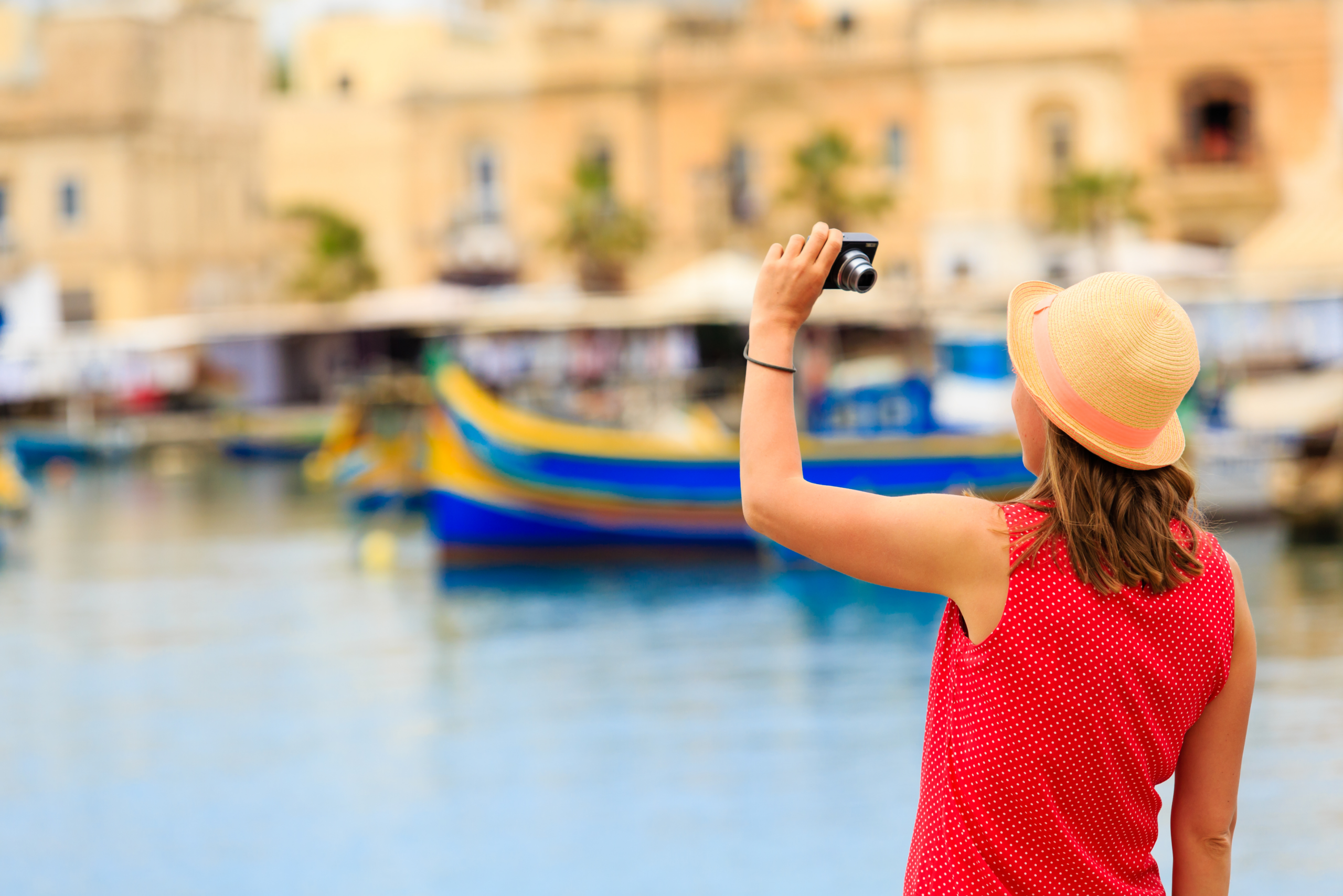
There is a moment in early January when Malta seems to exhale. The Christmas celebrations are over, the busiest festive evenings have passed, and the island returns to its everyday rhythm. Cafés fill with local conversations, fishing boats move quietly around the harbours, and the narrow streets of historic towns feel noticeably calmer.
If you have only experienced Malta in summer, January may surprise you.
The countryside is green rather than sun-baked, the sea can be dramatic rather than inviting, and the weather encourages a different kind of holiday. Instead of planning your days around beaches and swimming, you might follow a countryside trail, spend an unhurried afternoon in a museum or sit beside the Grand Harbour watching the winter light change across the limestone buildings.
January is not Malta at its warmest or most predictable. But for certain travellers, it can be one of the most rewarding times to visit.
So, is Malta worth visiting in January? The answer depends less on the temperature than on the kind of experience you are looking for.
What Is Malta Really Like in January?
January is one of the quietest periods of the Maltese travel calendar. After the New Year celebrations, many visitors leave, and the island settles into a slower pace.
This does not mean Malta closes for winter. Valletta remains a working capital with restaurants, shops, museums and everyday activity. The Three Cities are lived-in neighbourhoods throughout the year, and inland towns such as Rabat continue their usual routines.
What changes is the balance between visitors and local life.
In summer, popular areas can feel dominated by tourism. In January, it is often easier to notice the ordinary details: neighbours chatting outside a bakery, residents stopping for coffee, boats being maintained along the waterfront and quiet residential streets that rarely appear in travel brochures.
You can also be more spontaneous. Outside the busiest holiday periods, you may find it easier to enjoy popular places without planning every minute in advance.
That said, January is not completely empty. Weekends can still be lively, especially when the weather is sunny, and some restaurants or attractions may have reduced winter opening hours.
The pleasure of January lies in discovering Malta as a place where people live, rather than as an island organised entirely around the summer holiday season.
Malta Weather in January: How Cold Does It Feel?
January is generally one of Malta’s coolest months. Average daytime temperatures are often around 15–16°C, with nighttime lows roughly around 9–11°C.
Compared with northern Europe, this may sound mild. And on a sunny, sheltered afternoon, it often is. You might enjoy lunch outdoors or spend several hours walking comfortably in a jumper and light jacket.
But Malta’s winter weather has a character of its own.
Wind can make a significant difference, particularly near the coast. A temperature of 15°C can feel much colder when a strong breeze blows across an exposed harbour or cliff-top path. Rain is also a realistic possibility, and a week in January can include both beautiful sunshine and unsettled weather.
The sea is typically around 15–16°C, too cold for comfortable swimming for most visitors.
January also has relatively short days. You have approximately ten hours of daylight, so it is sensible to begin outdoor excursions earlier rather than leaving them until late afternoon.
The most useful advice is to plan for variety. Bring layers, a waterproof jacket and comfortable shoes, then decide which activities to do according to the forecast.
Do not judge your entire holiday by the weather on one particular day. January in Malta can change quickly.
The Best Reason to Visit Malta in January: The Green Countryside
One of the most striking differences between summer and January is the landscape.
During the hottest months, much of Malta’s countryside becomes dry and golden. In winter, rainfall transforms fields and valleys into shades of green that many first-time visitors do not expect.
Terraced farmland, old stone walls and rural paths look particularly beautiful at this time of year. On clear days, the contrast between green fields, honey-coloured limestone and the deep blue sea is remarkable.
For anyone interested in walking, photography or discovering quieter parts of the island, this is one of January’s greatest attractions.
Dingli and the Western Coast
The countryside around Dingli offers wide-open views and a sense of space that contrasts with Malta’s densely built-up towns.
The Dingli Cliffs are especially impressive on clear winter days. The surrounding rural landscape can be green, and the sea stretches towards the horizon.
However, this is an exposed area. Strong winds and wet ground can make certain paths unsuitable, so choose your route carefully and avoid walking near cliff edges.
Għajn Tuffieħa and the Northern Coastal Landscape
The landscape around Għajn Tuffieħa is another beautiful option for a dry winter day.
In January, the hills surrounding the bays can be much greener than in summer. The scenery is particularly attractive for photography, and the cooler temperatures make walking more pleasant.
Be aware that steep paths and steps may be slippery after rain. Winter waves can also be powerful, so stay away from exposed rocks and the water’s edge during rough conditions.
Rural Malta Beyond the Famous Viewpoints
You do not need to visit a major attraction to enjoy Malta’s winter countryside.
Quiet village roads, agricultural areas and rural footpaths can offer rewarding walks. The most enjoyable routes often combine small chapels, traditional stone walls, fields and occasional views of the sea.
If you are unfamiliar with the area, use a reliable walking map, stay on accessible paths and check the forecast before setting out.
January’s countryside is beautiful, but it deserves respect. Heavy rain can make the ground muddy, and strong winds can quickly change the conditions.
Why Historic Towns Feel Different After New Year
January is a particularly good month for visitors who enjoy exploring historic places slowly.
In Valletta, you can walk through the streets without the intense summer heat. You might spend time admiring traditional balconies, exploring a museum or enjoying a coffee in a small square.
The capital remains lively because it is not simply a tourist destination. It is also a place where people work, shop, meet friends and go about their daily routines.
Across the Grand Harbour, Birgu, Senglea and Cospicua offer an even more residential atmosphere.
The Three Cities are fascinating at any time of year, but in January there is often a stronger sense of their everyday character. You can wander through historic streets, admire old houses and enjoy the waterfront without feeling that you need to hurry towards the next attraction.
Mdina offers a different experience again. Its enclosed streets and grand historic architecture can feel particularly atmospheric on a quiet winter afternoon. Nearby Rabat provides a more active local setting, with bakeries, cafés and traditional streets.
Rather than trying to see all these places in one day, choose one area and give yourself time to explore.
For detailed sightseeing routes, you can use our existing guides to Valletta, One Day in Valletta and the Three Cities. January is an excellent season to follow those routes at a more relaxed pace.
A Winter Day Around the Grand Harbour
One of the nicest ways to experience Malta in January is to spend an unhurried day around the Grand Harbour.
Start in Birgu, where the narrow streets are full of architectural details and traces of the island’s history. Walk towards the marina, pause to watch the boats and enjoy the views of the surrounding fortifications.
If the weather is pleasant, continue towards Senglea for a different perspective across the harbour.
Alternatively, explore nearby Kalkara, a quieter neighbourhood that offers a more residential side of the waterfront. Its setting is particularly appealing when the winter sun illuminates the limestone buildings across the water.
Stop for lunch rather than trying to fill every hour with sightseeing. In January, part of the enjoyment comes from having the freedom to slow down.
On a calm day, a harbour ferry may offer another beautiful perspective, although winter services can be affected by wind and sea conditions.
This kind of day captures something that is easy to miss during a busy summer holiday: Malta’s harbours are not just famous landmarks. They are living places, shaped by centuries of history and everyday routines.
What Can You Do in Malta When the January Weather Is Bad?
One of the most important parts of planning a January trip is accepting that some days will be better suited to indoor activities.
Fortunately, Malta has plenty of alternatives.
Valletta is an excellent choice for a rainy day because its cultural attractions are relatively close together. You could visit St John’s Co-Cathedral, explore the National Museum of Archaeology or spend time at MUŻA.
If the rain is intermittent, combine an indoor visit with a short walk through the city whenever the weather improves.
Rabat is another possibility, with historical attractions such as St Paul’s Catacombs. Some sites include outdoor sections, so check their suitability in bad weather.
A rainy afternoon can also be an opportunity to enjoy Malta’s food culture. Rather than rushing between attractions, settle into a restaurant for a traditional meal or explore local bakeries and cafés.
For particularly stormy days, avoid exposed coastal locations. Waves can reach promenades and rocks unexpectedly, and strong winds may affect ferry services.
The secret to enjoying Malta in January is not having a perfect weather forecast. It is having two or three alternative plans ready.
Is January a Good Month for Gozo?
Yes, especially if you enjoy rural scenery and quieter villages.
Gozo has a different atmosphere from the main island. It is generally more rural, and January’s green landscape makes it particularly appealing.
Victoria and its Citadel are worthwhile in almost any season. The historic streets and panoramic views offer a fascinating introduction to Gozo’s history.
On a clear day, you can also explore inland villages or enjoy the island’s dramatic coastal scenery from safe viewpoints.
However, Gozo is not an excursion to force into a day of strong winds or severe weather. Sea conditions can affect ferry operations, and outdoor sightseeing may be uncomfortable.
If you have several days in Malta, keep your Gozo trip flexible and choose the day with the most promising forecast.
You may also find that staying overnight gives you a more relaxed experience than attempting to see too much in a single winter day.
What About Restaurants, Hotels and Prices in January?
January can offer good value, but it is important not to assume that everything will automatically be cheaper.
Accommodation rates may be more attractive than in peak summer, particularly outside the first days of the month. Flight prices also vary, depending on the route and how far in advance you book.
Many restaurants remain open throughout winter, especially in Valletta, Sliema and residential areas around the Grand Harbour. However, some businesses that depend heavily on summer beach tourism may close temporarily or operate reduced hours.
This is one reason choosing the right base matters.
For a January holiday, being near year-round restaurants, cultural attractions and transport connections is often more useful than being next to a sandy beach.
Before booking accommodation, check whether heating is available. Malta’s traditional limestone buildings are beautiful, but some can feel cool or damp in winter if they are not properly heated.
It is also worth checking restaurant opening hours, especially if you are planning a special evening.
Who Will Enjoy Malta in January Most?
January is not the right season for everyone. But it can be particularly rewarding for certain types of travellers.
History and culture lovers can explore Valletta, Mdina, Rabat and the Three Cities without the exhausting summer heat.
Walkers and nature enthusiasts can enjoy the greener countryside and cooler conditions, provided they choose suitable days and routes.
Couples looking for a quiet escape may appreciate relaxed meals, scenic harbour walks and the slower pace after the festive season.
Photographers will find beautiful winter light, green landscapes and dramatic coastal scenery.
Travellers who prefer local atmosphere may enjoy seeing Malta outside the busiest tourism months.
On the other hand, January is probably not the best choice for families hoping to spend every day at the beach, visitors who want warm sea temperatures or anyone expecting reliable sunshine from morning to evening.
The best January holidays are built around curiosity and flexibility rather than a fixed beach itinerary.
Where to Stay for a Quiet January Holiday
The best location depends on how you want to spend your days.
Valletta is convenient if you want museums, restaurants and cultural attractions within walking distance. It is a practical choice when the weather is unpredictable.
Sliema offers a wide range of services and accommodation, although its exposed waterfront can feel windy in winter.
For visitors who prefer a quieter atmosphere, the Three Cities and Kalkara are worth considering. This part of Malta combines historic surroundings with easy access to the Grand Harbour and opportunities to explore nearby towns.
Front Row Malta, our guesthouse in Kalkara, is located in this quieter harbour setting. For travellers who enjoy discovering Malta at a relaxed pace, it offers a base near Birgu and the Three Cities, with Valletta and other parts of the island within reach.
You can find more information and book directly at frontrowmalta.com.
Wherever you stay, consider winter comfort, nearby restaurants and transport options rather than choosing accommodation based solely on beach access.
Practical Tips for Visiting Malta in January
A few simple decisions can make a January holiday considerably more enjoyable.
Pack for Wind, Not Just Temperature
A forecast of 15°C may look mild, but a strong sea breeze can make it feel much colder. Bring a wind-resistant jacket, warm layers and comfortable shoes.
A waterproof outer layer is especially useful. In windy conditions, it may be more practical than an umbrella.
Keep Your Plans Flexible
Avoid booking every outdoor excursion for a specific day if you can help it.
Save countryside walks and exposed coastal viewpoints for clear, calm weather. Use rainy days for museums, churches, restaurants and other indoor activities.
Start Outdoor Activities Earlier
January has shorter daylight hours, with sunset in the late afternoon.
If you want to enjoy a long walk or visit a scenic location, begin earlier in the day and allow enough time to return safely before dark.
Check Winter Opening Hours
Most of Malta’s major cultural attractions operate year-round, but some venues may have shorter winter hours or occasional closures.
Check official websites before travelling, particularly for smaller museums, seasonal restaurants and boat excursions.
Be Careful Around the Sea
Winter waves can be powerful. Avoid walking on exposed rocks or approaching the edge of promenades when the sea is rough.
The coastline is beautiful in January, but it should always be enjoyed from a safe distance during unsettled weather.
Consider Your Transport Options
Public buses, ferries and taxis make it possible to explore much of Malta without a car.
However, ferries may be affected by strong winds, and rural walking areas can be less convenient to reach by public transport.
Our How to Get Around Malta guide explains the different options in more detail.
A More Relaxed Four-Day January Itinerary
Rather than trying to cover the entire island in a few days, January is a good time to plan a slower holiday.
Day 1 – Valletta: Explore the capital’s historic streets, visit a major museum or St John’s Co-Cathedral and enjoy a long lunch. If the weather is clear, finish with views over the Grand Harbour.
Day 2 – Birgu, Senglea and Kalkara: Spend the day discovering the harbour towns, stopping for coffee and enjoying the waterfront. Leave time for spontaneous detours through quiet streets.
Day 3 – Mdina and Rabat: Visit the Silent City, explore Rabat and enjoy the surrounding countryside if the weather allows.
Day 4 – A Flexible Winter Day: Choose between a countryside walk, a Gozo excursion or a museum day depending on the forecast.
The fourth day is deliberately flexible. It allows you to make the most of good weather without feeling disappointed if one day turns rainy.
Malta in January vs December: Which Is Better?
Although both months fall within Malta’s winter season, they offer different experiences.
December has a festive atmosphere, particularly in Valletta and other towns hosting Christmas activities. It can be a lovely time for visitors who enjoy decorations, seasonal events and holiday celebrations.
January is generally quieter once the New Year period has passed. It is better suited to travellers looking for peaceful sightseeing, green countryside and a slower pace without a festive programme.
The weather in both months is variable, with January typically a little cooler.
If Christmas traditions and seasonal events are important to you, December is the better choice.
If you want to explore Malta when the island has returned to its everyday rhythm, January may be more appealing.
For a detailed look at the earlier month, read our Malta in December: Weather, Things to Do & Travel Tips guide.
Frequently Asked Questions About Malta in January
Is Malta worth visiting in January?
Yes, particularly for travellers interested in history, culture, countryside walks and a quieter atmosphere. January is not ideal for beach holidays, but it can be a rewarding time to explore Malta without the summer crowds.
Is Malta cold in January?
January is mild compared with northern Europe, but it can feel cold when windy or rainy. Typical daytime highs are around 15–16°C, while nights are cooler. Warm layers and a wind-resistant jacket are recommended.
Does Malta get much rain in January?
January is part of Malta’s rainy season, so showers and unsettled periods are possible. However, there can also be clear, sunny days. Flexible planning is important.
Can you swim in Malta in January?
Some people swim year-round, but the sea is usually around 15–16°C and is too cold for most visitors. Rough seas and strong winds can also make swimming unsafe.
Is Malta quiet in January?
Generally, yes, especially after the New Year holidays. Popular areas still have local activity, but the overall atmosphere is usually calmer than during the summer season.
Is Malta green in January?
Often, yes. Winter rainfall brings fresh growth to fields, valleys and countryside areas, making January one of the best times to see Malta’s greener landscapes.
Are restaurants open in Malta in January?
Many restaurants remain open, particularly in Valletta, Sliema and year-round residential areas. Some seasonal establishments may close or reduce their hours, so it is worth checking before visiting.
Is January cheaper than summer in Malta?
It can be. Accommodation and flights may be less expensive than during the busiest summer months, although prices vary by date, location and availability. January is often a good time to compare offers.
What should I wear in Malta in January?
Bring a warm jacket, waterproof outer layer, jumpers, long trousers and comfortable walking shoes. Layers are useful because sunny afternoons can feel mild while evenings and windy locations are much cooler.
How many days do you need in Malta in January?
Four to five days allow you to explore several historic towns and enjoy a countryside excursion without rushing. A week provides more flexibility to work around the weather and include Gozo.
Final Thoughts: Is Malta in January Right for You?
Malta in January offers something quite different from the familiar Mediterranean summer holiday.
There are no guarantees of warm beach days, and the weather sometimes requires a change of plans. But the island rewards visitors who arrive with an open mind.
The countryside is green, historic towns are quieter, and the Grand Harbour can look magnificent beneath the soft winter sun. There is time to explore slowly, enjoy traditional food and discover places that feel more local once the holiday crowds have gone.
If you enjoy culture, scenery and the freedom to travel at a gentler pace, January can be a wonderful month to discover Malta.
And sometimes, the most memorable winter moments are the simplest ones: a sunny table outside a café, an unexpected view across the harbour or a quiet street that feels as though you have it almost to yourself.
Schreibe einen Kommentar