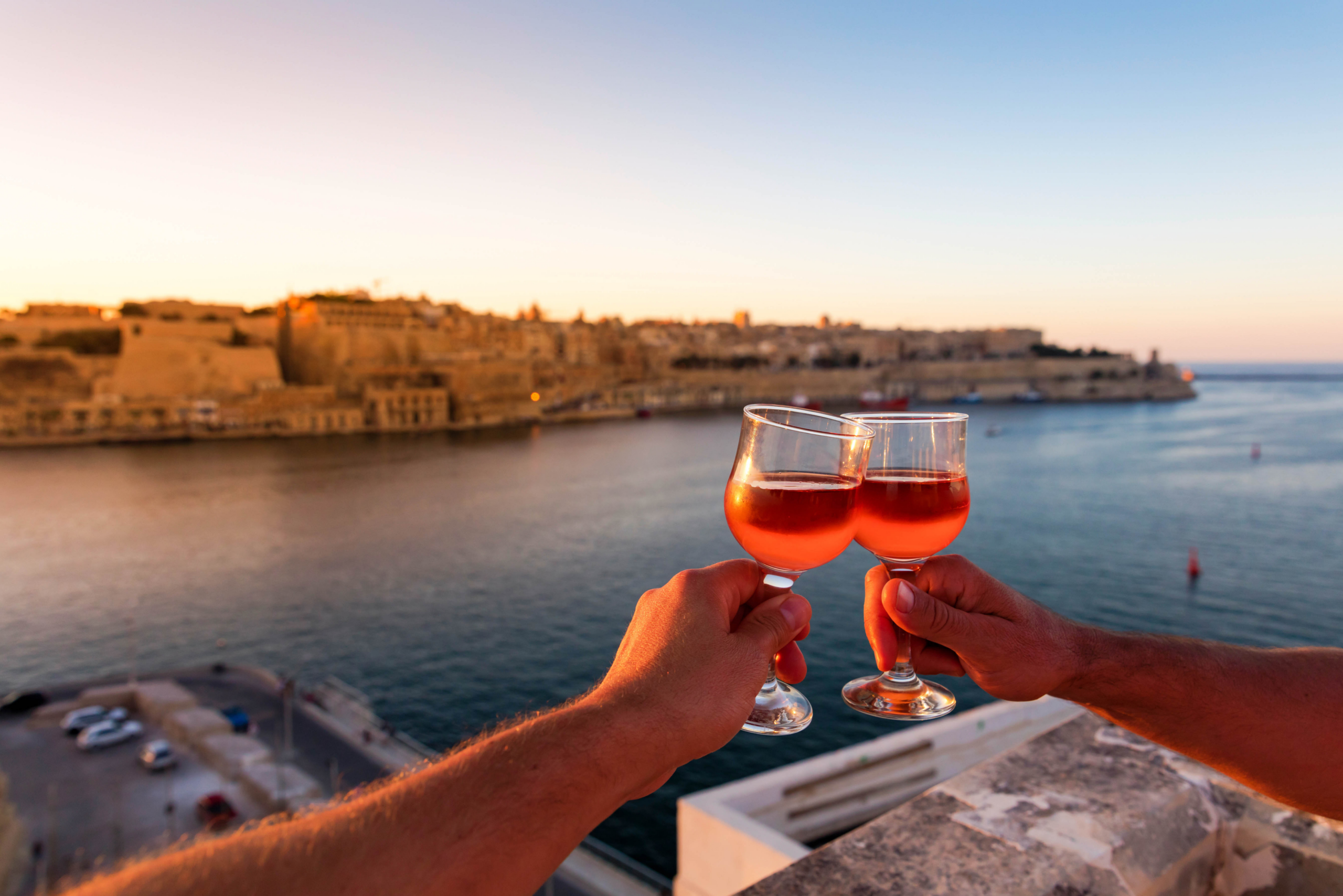
If you only have one day to explore Malta’s capital, don’t worry — Valletta is compact enough to experience many of its highlights in a single day.
The key is to plan your route carefully and avoid spending too much time travelling between attractions. Most of Valletta’s historic centre can be explored on foot, making it possible to combine famous landmarks, beautiful viewpoints, local food and quiet streets into one memorable day.
This one-day Valletta itinerary is designed to give you a balanced experience of the city. You’ll see its most important historic sights, enjoy views across the Grand Harbour, try traditional Maltese food and still have time to explore without constantly watching the clock.
Whether you’re visiting Malta for the first time, arriving on a cruise ship or simply want to make the most of a short stay, this itinerary will help you experience the best of Valletta in one day.
Valletta One-Day Itinerary at a Glance
Here’s the route we’ll follow:
8:30 AM – Arrive in Valletta
9:00 AM – City Gate & Republic Street
9:30 AM – St. John’s Co-Cathedral
11:00 AM – Explore Valletta’s Historic Streets
11:30 AM – Upper Barrakka Gardens
12:15 PM – Lunch & Traditional Maltese Food
1:30 PM – Grandmaster’s Palace & St. George’s Square
2:15 PM – Casa Rocca Piccola
3:15 PM – Fort St. Elmo
4:45 PM – Lower Barrakka Gardens & Harbour Views
5:30 PM – Coffee & Free Time
6:30 PM – Sunset & Evening in Valletta
The exact times don’t need to be followed rigidly. The idea is to give you a comfortable structure rather than turn your holiday into a race.
8:30 AM – Arrive in Valletta
Starting early is one of the best decisions you can make.
Valletta becomes considerably busier later in the morning, particularly during the main tourist season and when cruise ships are in port.
Arriving around 8:30 AM gives you a quieter introduction to the city and better opportunities for photographs.
If you’re travelling by bus, you’ll normally arrive at the main bus terminal just outside Valletta’s City Gate.
If you’re arriving by ferry from Sliema or the Three Cities, you’ll enter the city from the harbour side.
Either way, make your way towards the historic centre and begin at City Gate.
9:00 AM – City Gate and Republic Street
Your walking tour begins at Valletta’s City Gate.
The modern entrance contrasts with the centuries-old city surrounding it and provides an excellent starting point for understanding how Valletta was designed.
From here, walk along Republic Street, the main pedestrian street through the centre of the city.
Don’t rush.
Take a few minutes to look at the limestone façades, traditional balconies and historic buildings around you.
Republic Street connects many of Valletta’s most important landmarks, so you’ll naturally pass several of them throughout the morning.
As you walk, explore some of the smaller streets branching away from the main route. They often provide a much quieter and more authentic experience.
9:30 AM – Visit St. John’s Co-Cathedral
Make St. John’s Co-Cathedral your first major attraction of the day.
The cathedral is one of Valletta’s most impressive buildings and is particularly beautiful in the morning.
Inside, you’ll find elaborate Baroque decoration, marble flooring, chapels belonging to different langues of the Knights of St. John and important works of art.
The highlight for many visitors is Caravaggio’s The Beheading of Saint John the Baptist.
Allow approximately 60–90 minutes for your visit.
Because opening times and visitor arrangements can change, check the current information before travelling.
11:00 AM – Wander Through the Historic Centre
After leaving the cathedral, don’t immediately move to the next attraction.
Spend around 30 minutes simply walking.
Explore the side streets around Republic Street and Merchants Street, look for traditional Maltese balconies and stop whenever something catches your attention.
This part of the itinerary is deliberately unstructured.
Valletta is small enough that you don’t need to worry about getting completely lost, and some of the city’s best moments happen when you leave the obvious tourist route.
11:30 AM – Upper Barrakka Gardens
Continue towards the Upper Barrakka Gardens.
This is one of the essential stops on any first visit to Valletta.
From the gardens, you’ll have an extraordinary panoramic view across the Grand Harbour towards the Three Cities.
Take your time here.
The viewpoint is particularly impressive when you can see traditional boats and ferries moving across the harbour below.
If you enjoy photography, this is one of the best places in the city to capture the relationship between Valletta and the historic towns across the water.
12:15 PM – Lunch in Valletta
By lunchtime, you’ll probably be ready for a break.
Valletta has an excellent selection of cafés, bakeries and restaurants.
If you want something quick and traditionally Maltese, look for a pastizz or another local pastry.
For a longer lunch, try traditional Maltese dishes such as rabbit, fresh fish, ġbejna or bigilla.
Don’t feel that lunch needs to take two hours. With only one day in Valletta, around 45–60 minutes is usually enough.
The goal is to enjoy the food without sacrificing the rest of your afternoon.
1:30 PM – Grandmaster’s Palace and St. George’s Square
After lunch, continue towards St. George’s Square and the Grandmaster’s Palace.
The palace has played an important role in Malta’s political history for centuries.
Depending on current access and opening arrangements, you may be able to explore parts of the historic building.
Even if you don’t enter, the surrounding area is worth seeing.
Take a few minutes to appreciate the architecture and the large open square before continuing your walk.
2:15 PM – Visit Casa Rocca Piccola
From the Grandmaster’s Palace, continue towards Casa Rocca Piccola.
This historic private palace offers a different perspective on Valletta.
Instead of focusing primarily on military history or grand public institutions, Casa Rocca Piccola provides an insight into aristocratic life in Malta.
The building contains historic rooms, furniture and personal objects, while the underground areas also tell stories about life during the Second World War.
A guided visit can make the experience particularly interesting.
Allow approximately 45–60 minutes.
3:15 PM – Explore Fort St. Elmo
Continue towards the tip of Valletta’s peninsula and Fort St. Elmo.
The fort is one of the city’s most important military landmarks and offers impressive views over the Mediterranean and Grand Harbour.
If you’re interested in Malta’s military history, allow plenty of time for the National War Museum.
If you’re more interested in sightseeing than museums, you can spend less time here and focus on the fortifications and views.
4:45 PM – Lower Barrakka Gardens
After exploring Fort St. Elmo, walk back towards the Lower Barrakka Gardens.
This is a quieter alternative to the Upper Barrakka Gardens and offers another beautiful perspective over the harbour.
The surrounding fortifications are particularly impressive from this side of the city.
This is a good point in the itinerary to slow down.
You’ve already covered most of Valletta’s major attractions, so there is no need to rush through the final part of the day.
5:30 PM – Coffee and Free Time
Give yourself some completely unplanned time.
Find a café, order a coffee or a cold drink and simply enjoy Valletta.
Alternatively, use this time to browse independent shops, explore streets you missed earlier or return to a place you particularly enjoyed.
This flexible part of the itinerary is important.
A good travel itinerary shouldn’t feel like a checklist.
6:30 PM – Sunset and Evening in Valletta
As the sun begins to set, Valletta changes character.
The limestone buildings become warmer in colour, the streets become quieter and the Grand Harbour begins to light up.
Choose a viewpoint near the harbour or return to one of the Barrakka Gardens.
After sunset, stay in Valletta for dinner.
The city has a lively evening atmosphere, with restaurants, wine bars and cafés staying open well into the night.
If you’re not in a hurry, take one final walk through the illuminated streets before heading back to your accommodation.
Can You See Valletta in One Day?
Yes — and this itinerary gives you a very good introduction to the city.
However, don’t expect to visit every museum, church and historic building in a single day.
The biggest mistake is trying to do too much.
Instead, focus on the highlights and leave enough time to enjoy the city itself.
Valletta is not just a collection of attractions. Its narrow streets, limestone architecture, harbour views, cafés and everyday local life are a large part of what makes the city special.
If you have additional time in Malta, consider returning to Valletta for a second day or combining your visit with the nearby Three Cities.
For a more detailed overview of the capital, read our complete guide:
The Complete Guide to Valletta, Malta: Things to Do, History, Food & Travel Tips
Tips for Your One-Day Valletta Itinerary
A little preparation can make your day in Valletta much more enjoyable.
Start Early
This is probably the most important tip.
Valletta is much quieter in the morning than it is around midday, particularly during the summer season.
Starting around 8:30 or 9:00 AM gives you time to see the main attractions before the streets become crowded.
It also means you can take photographs without large groups of people in the background.
Wear Comfortable Shoes
You will be walking a lot.
Valletta’s streets are beautiful, but the limestone pavements, steps and occasional steep streets can be tiring after several hours.
Comfortable shoes are much more important than stylish footwear for this itinerary.
Carry Water
Malta can become extremely warm during the summer months.
Bring a bottle of water and refill it when possible.
A hat and sunscreen are also useful, particularly when walking around the fortifications and open viewpoints.
Don’t Plan Every Minute
The timetable above is a guide rather than a strict schedule.
You may spend longer than expected at St. John’s Co-Cathedral, find a café you love or discover a side street that you want to photograph.
That’s fine.
Leave some flexibility in your day.
Check Attraction Opening Times
Opening hours can change depending on the season, public holidays, religious services or special events.
This is particularly important for St. John’s Co-Cathedral, the Grandmaster’s Palace, Casa Rocca Piccola and Fort St. Elmo.
Check official information shortly before your visit.
Consider Booking Popular Attractions
Some of Valletta’s most popular attractions can become busy during peak periods.
If you know you definitely want to visit a particular museum or historic site, checking whether advance tickets are available can save time.
Valletta One-Day Walking Route
The itinerary is designed to be completed almost entirely on foot.
The general route is:
City Gate → Republic Street → St. John’s Co-Cathedral → Upper Barrakka Gardens → Lunch → Grandmaster’s Palace → Casa Rocca Piccola → Fort St. Elmo → Lower Barrakka Gardens → Valletta centre
The route is relatively compact, but remember that sightseeing naturally adds extra walking.
If you use a smartphone, save the main locations before leaving your accommodation so you don’t have to search for them constantly during the day.
What to Skip If You Don’t Have Enough Time
If your day is running behind schedule, don’t try to squeeze everything in.
Instead, prioritise:
- St. John’s Co-Cathedral
- Upper Barrakka Gardens
- Valletta’s historic streets
- Grandmaster’s Palace area
- Fort St. Elmo
- Grand Harbour viewpoints
Casa Rocca Piccola and some of the museums can be saved for another visit.
If you’re more interested in food than history, you could also reduce your museum time and spend longer exploring Valletta’s cafés and restaurants.
Valletta in One Day with a Cruise Ship
Valletta is a popular cruise destination, and many visitors have only a limited number of hours available.
If you’re visiting from a cruise ship, the location of the port makes exploring the city relatively convenient.
However, allow enough time to return to your ship.
A good strategy is to focus on the historic centre, St. John’s Co-Cathedral and the Upper Barrakka Gardens before gradually making your way back towards the port.
Avoid planning attractions that are too far away if your departure time is tight.
Always follow your cruise operator’s required return time rather than relying on public transport schedules.
Valletta in One Day with Children
Valletta can be enjoyable with children, but the itinerary should be slightly more flexible.
Children may enjoy:
- Fort St. Elmo
- The harbour views
- Traditional boats
- Open squares
- The city’s fortifications
- Ice cream stops
Don’t try to visit every museum.
Instead, combine one or two major historical attractions with plenty of breaks.
The Upper Barrakka Gardens and harbour views are also good opportunities for children to take a break while adults enjoy the scenery.
Where to Eat During Your Day in Vallett
You don’t need to plan every meal in advance.
Valletta has plenty of options, ranging from traditional Maltese bakeries to modern restaurants.
For breakfast or a quick snack, try a local bakery or pastizzeria.
For lunch, look for traditional Maltese dishes or Mediterranean food.
In the evening, you can choose between casual restaurants, wine bars and more sophisticated dining.
If you want to experience Valletta at its most atmospheric, consider staying for dinner rather than leaving immediately after the sightseeing portion of your day.
Can You Combine Valletta and the Three Cities in One Day?
Yes, but it depends on what you want to see.
If this is your first visit to Malta, I recommend giving Valletta most of the day rather than trying to see both areas in detail.
However, you can combine them if you start early.
For example, spend the morning exploring Valletta, have lunch in the city and then take a ferry across the Grand Harbour to Birgu.
You could then spend the late afternoon exploring the Three Cities before returning to Valletta or continuing to your accommodation.
If you want to explore the Three Cities properly, however, give them their own half-day or full-day itinerary.
Read our complete guide:
The 15 Best Things to Do in Malta’s Three Cities
Where to Stay for Easy Access to Valletta
You don’t necessarily need to stay inside Valletta to explore the city easily.
Sliema is a popular choice because of its waterfront, restaurants and ferry connection to Valletta.
The Three Cities and Kalkara are another excellent option for travellers who prefer a quieter and more authentic atmosphere.
Kalkara is particularly interesting because it is close to Valletta while also providing easy access to Birgu, Senglea and Cospicua.
If you’re still deciding where to stay in Malta, our guide compares the most popular areas:
Where to Stay in Malta: Valletta, Sliema, St. Julian’s or Kalkara?
For travellers who want to explore the Grand Harbour area while staying somewhere peaceful, Front Row Malta in Kalkara can also be a convenient base.
Frequently Asked Questions
Is one day enough for Valletta?
Yes. One day is enough to see many of Valletta’s major attractions and experience the historic centre.
Start early and focus on the attractions that interest you most.
What should I see in Valletta in one day?
For a first visit, prioritise St. John’s Co-Cathedral, Republic Street, the Upper Barrakka Gardens, the Grandmaster’s Palace area, Fort St. Elmo and the historic side streets.
Can you walk around Valletta in one day?
Absolutely. Valletta is compact and most of the historic centre can be explored on foot.
What time should I start exploring Valletta?
Around 8:30–9:00 AM is ideal, especially during summer.
Starting early helps you avoid the largest crowds and the strongest midday heat.
Is Valletta walkable?
Yes. Walking is one of the best ways to explore Valletta, although there are steps, slopes and uneven stone surfaces.
How long does it take to walk across Valletta?
Walking directly through the historic centre can take less than 30 minutes, but sightseeing naturally makes the journey much longer.
The real value is in stopping along the way.
Can you visit Valletta without a car?
Yes. In fact, a car is often unnecessary.
Buses, ferries and taxis make Valletta easy to reach, and the historic centre is best explored on foot.
Is Valletta worth visiting for just one day?
Definitely. Even a single day gives you enough time to experience the city’s architecture, history, food and spectacular harbour views.
Final Thoughts
One day in Valletta may not be enough to discover every corner of Malta’s capital, but it is certainly enough to fall in love with the city.
Start early, explore the historic centre on foot, visit a few of the major landmarks and leave enough time to simply enjoy the atmosphere.
Don’t be afraid to put your itinerary aside for an hour. Sit down with a coffee, wander through a quiet street or stop to admire the view across the Grand Harbour.
Those unplanned moments are often what you’ll remember most.
And if you have more time after exploring Valletta, cross the harbour and discover the historic Three Cities or spend some time in nearby Kalkara.
For a quieter base close to both Valletta and the Three Cities, Front Row Malta in Kalkara offers an ideal location for exploring this fascinating part of the island.
Tips for Your One-Day Valletta Itinerary
A little preparation can make your day in Valletta much more enjoyable.
Start Early
This is probably the most important tip.
Valletta is much quieter in the morning than it is around midday, particularly during the summer season.
Starting around 8:30 or 9:00 AM gives you time to see the main attractions before the streets become crowded.
It also means you can take photographs without large groups of people in the background.
Wear Comfortable Shoes
You will be walking a lot.
Valletta’s streets are beautiful, but the limestone pavements, steps and occasional steep streets can be tiring after several hours.
Comfortable shoes are much more important than stylish footwear for this itinerary.
Carry Water
Malta can become extremely warm during the summer months.
Bring a bottle of water and refill it when possible.
A hat and sunscreen are also useful, particularly when walking around the fortifications and open viewpoints.
Don’t Plan Every Minute
The timetable above is a guide rather than a strict schedule.
You may spend longer than expected at St. John’s Co-Cathedral, find a café you love or discover a side street that you want to photograph.
That’s fine.
Leave some flexibility in your day.
Check Attraction Opening Times
Opening hours can change depending on the season, public holidays, religious services or special events.
This is particularly important for St. John’s Co-Cathedral, the Grandmaster’s Palace, Casa Rocca Piccola and Fort St. Elmo.
Check official information shortly before your visit.
Consider Booking Popular Attractions
Some of Valletta’s most popular attractions can become busy during peak periods.
If you know you definitely want to visit a particular museum or historic site, checking whether advance tickets are available can save time.
Valletta One-Day Walking Route
The itinerary is designed to be completed almost entirely on foot.
The general route is:
City Gate → Republic Street → St. John’s Co-Cathedral → Upper Barrakka Gardens → Lunch → Grandmaster’s Palace → Casa Rocca Piccola → Fort St. Elmo → Lower Barrakka Gardens → Valletta centre
The route is relatively compact, but remember that sightseeing naturally adds extra walking.
If you use a smartphone, save the main locations before leaving your accommodation so you don’t have to search for them constantly during the day.
What to Skip If You Don’t Have Enough Time
If your day is running behind schedule, don’t try to squeeze everything in.
Instead, prioritise:
- St. John’s Co-Cathedral
- Upper Barrakka Gardens
- Valletta’s historic streets
- Grandmaster’s Palace area
- Fort St. Elmo
- Grand Harbour viewpoints
Casa Rocca Piccola and some of the museums can be saved for another visit.
If you’re more interested in food than history, you could also reduce your museum time and spend longer exploring Valletta’s cafés and restaurants.
Valletta in One Day with a Cruise Ship
Valletta is a popular cruise destination, and many visitors have only a limited number of hours available.
If you’re visiting from a cruise ship, the location of the port makes exploring the city relatively convenient.
However, allow enough time to return to your ship.
A good strategy is to focus on the historic centre, St. John’s Co-Cathedral and the Upper Barrakka Gardens before gradually making your way back towards the port.
Avoid planning attractions that are too far away if your departure time is tight.
Always follow your cruise operator’s required return time rather than relying on public transport schedules.
Valletta in One Day with Children
Valletta can be enjoyable with children, but the itinerary should be slightly more flexible.
Children may enjoy:
- Fort St. Elmo
- The harbour views
- Traditional boats
- Open squares
- The city’s fortifications
- Ice cream stops
Don’t try to visit every museum.
Instead, combine one or two major historical attractions with plenty of breaks.
The Upper Barrakka Gardens and harbour views are also good opportunities for children to take a break while adults enjoy the scenery.
Where to Eat During Your Day in Valletta
You don’t need to plan every meal in advance.
Valletta has plenty of options, ranging from traditional Maltese bakeries to modern restaurants.
For breakfast or a quick snack, try a local bakery or pastizzeria.
For lunch, look for traditional Maltese dishes or Mediterranean food.
In the evening, you can choose between casual restaurants, wine bars and more sophisticated dining.
If you want to experience Valletta at its most atmospheric, consider staying for dinner rather than leaving immediately after the sightseeing portion of your day.
Can You Combine Valletta and the Three Cities in One Day?
Yes, but it depends on what you want to see.
If this is your first visit to Malta, I recommend giving Valletta most of the day rather than trying to see both areas in detail.
However, you can combine them if you start early.
For example, spend the morning exploring Valletta, have lunch in the city and then take a ferry across the Grand Harbour to Birgu.
You could then spend the late afternoon exploring the Three Cities before returning to Valletta or continuing to your accommodation.
If you want to explore the Three Cities properly, however, give them their own half-day or full-day itinerary.
Read our complete guide:
The 15 Best Things to Do in Malta’s Three Cities
Where to Stay for Easy Access to Valletta
You don’t necessarily need to stay inside Valletta to explore the city easily.
Sliema is a popular choice because of its waterfront, restaurants and ferry connection to Valletta.
The Three Cities and Kalkara are another excellent option for travellers who prefer a quieter and more authentic atmosphere.
Kalkara is particularly interesting because it is close to Valletta while also providing easy access to Birgu, Senglea and Cospicua.
If you’re still deciding where to stay in Malta, our guide compares the most popular areas:
Where to Stay in Malta: Valletta, Sliema, St. Julian’s or Kalkara?
For travellers who want to explore the Grand Harbour area while staying somewhere peaceful, Front Row Malta in Kalkara can also be a convenient base.
Frequently Asked Questions
Is one day enough for Valletta?
Yes. One day is enough to see many of Valletta’s major attractions and experience the historic centre.
Start early and focus on the attractions that interest you most.
What should I see in Valletta in one day?
For a first visit, prioritise St. John’s Co-Cathedral, Republic Street, the Upper Barrakka Gardens, the Grandmaster’s Palace area, Fort St. Elmo and the historic side streets.
Can you walk around Valletta in one day?
Absolutely. Valletta is compact and most of the historic centre can be explored on foot.
What time should I start exploring Valletta?
Around 8:30–9:00 AM is ideal, especially during summer.
Starting early helps you avoid the largest crowds and the strongest midday heat.
Is Valletta walkable?
Yes. Walking is one of the best ways to explore Valletta, although there are steps, slopes and uneven stone surfaces.
How long does it take to walk across Valletta?
Walking directly through the historic centre can take less than 30 minutes, but sightseeing naturally makes the journey much longer.
The real value is in stopping along the way.
Can you visit Valletta without a car?
Yes. In fact, a car is often unnecessary.
Buses, ferries and taxis make Valletta easy to reach, and the historic centre is best explored on foot.
Is Valletta worth visiting for just one day?
Definitely. Even a single day gives you enough time to experience the city’s architecture, history, food and spectacular harbour views.
Final Thoughts
One day in Valletta may not be enough to discover every corner of Malta’s capital, but it is certainly enough to fall in love with the city.
Start early, explore the historic centre on foot, visit a few of the major landmarks and leave enough time to simply enjoy the atmosphere.
Don’t be afraid to put your itinerary aside for an hour. Sit down with a coffee, wander through a quiet street or stop to admire the view across the Grand Harbour.
Those unplanned moments are often what you’ll remember most.
And if you have more time after exploring Valletta, cross the harbour and discover the historic Three Cities or spend some time in nearby Kalkara.
For a quieter base close to both Valletta and the Three Cities, Front Row Malta in Kalkara offers an ideal location for exploring this fascinating part of the island.
Valletta may be famous for its history and architecture, but the Maltese capital is also one of the best places on the island to discover Malta’s food culture.
Within a relatively small area, you’ll find traditional Maltese restaurants, family-run cafés, bakeries, modern Mediterranean kitchens, wine bars and restaurants offering creative interpretations of local dishes.
The best part is that you don’t need to spend a fortune to eat well in Valletta. A simple pastizz from a local bakery can be just as memorable as a carefully prepared dinner overlooking the Grand Harbour.
If you’re visiting Malta for the first time, however, knowing what to order and where to look can be difficult.
This guide explains what to eat in Valletta, which areas are best for food, what traditional Maltese dishes to try and how to find restaurants that offer a more authentic experience.
What Food Is Malta Famous For?
Maltese cuisine reflects the island’s long and complicated history.
Located in the centre of the Mediterranean, Malta has been influenced by Italian, Sicilian, North African, British and wider Mediterranean traditions.
The result is a cuisine that feels distinctly Maltese while still containing familiar Mediterranean flavours.
Some dishes you should look out for include:
- Pastizzi
- Rabbit stew
- Ġbejna
- Bigilla
- Ftira
- Aljotta
- Imqarrun il-forn
- Stuffat tal-fenek
- Fresh Mediterranean fish
- Maltese bread
You don’t have to try everything in one meal.
In fact, one of the best ways to experience Maltese food is to spread it across your trip: a pastizz in the morning, a traditional lunch, a local dessert and perhaps a relaxed dinner accompanied by Maltese wine.
1. Start the Day with a Traditional Maltese Breakfast
A traditional Maltese breakfast doesn’t have to be complicated.
For a quick start to the day, head to a bakery or café and order a pastizz with coffee.
Pastizzi are small, flaky pastries traditionally filled with either ricotta or a seasoned pea mixture.
They’re inexpensive, filling and extremely popular with locals.
If you’re spending the morning exploring Valletta, this is one of the easiest ways to experience a small part of everyday Maltese food culture before beginning your sightseeing.
2. Try a Traditional Maltese Lunch
Lunch is a good opportunity to try something more substantial.
Look for restaurants serving traditional Maltese dishes rather than menus dominated entirely by international food.
One of the country’s most famous dishes is rabbit stew, traditionally known as stuffat tal-fenek.
The dish is slow-cooked and usually served with potatoes, vegetables or bread.
It may not be the first thing every visitor expects to find in a Mediterranean country, but it is an important part of Malta’s culinary heritage.
If you’re interested in local food, it’s definitely worth trying at least once.
3. Order Fresh Fish and Seafood
With Malta surrounded by the Mediterranean, seafood naturally plays an important role in the local diet.
Menus can include fresh fish, octopus, prawns, mussels and other seasonal seafood.
Look for restaurants that mention the day’s catch rather than relying entirely on a fixed menu.
Fresh fish is particularly enjoyable when paired with Maltese bread, salad and a glass of local wine.
4. Discover Maltese Bread and Ftira
Bread is an important part of Maltese food culture.
Maltese bread is traditionally made with a crisp crust and soft interior and is often served with olive oil, tomatoes, tuna, capers or other local ingredients.
Ftira is another Maltese speciality worth trying.
The traditional ring-shaped bread is commonly used for sandwiches and is particularly popular as a casual lunch.
For travellers looking for something inexpensive and distinctly Maltese, ftira is an excellent choice.
5. Don’t Leave Without Trying Ġbejna
Ġbejna is a traditional Maltese cheese usually made from sheep’s milk.
It can be served fresh, dried or seasoned, depending on how it has been prepared.
You’ll often find it as part of Maltese sharing plates, salads or traditional dishes.
If you enjoy cheese, it’s one of the easiest local ingredients to incorporate into your food experience.
6. Explore Valletta’s Cafés
Not every memorable food experience needs to be a full meal.
Valletta has numerous cafés where you can stop for coffee, cake, pastries or a light snack while exploring the city.
This is also one of the best ways to slow down during a sightseeing day.
Instead of rushing from one attraction to another, find a small café, sit outside if the weather is good and watch people moving through the streets.
That relaxed Mediterranean rhythm is part of the Valletta experience.
7. Enjoy a Maltese Aperitif
Before dinner, consider stopping for a drink and a small selection of local snacks.
Maltese wine, local beer and Mediterranean-style appetisers are widely available.
A relaxed aperitif is particularly enjoyable in the late afternoon when the temperature begins to fall and Valletta’s streets become more atmospheric.
Look for smaller wine bars and places with outdoor seating if you want to experience the city at its liveliest.
8. Have Dinner in Valletta’s Historic Centre
Dinner is when Valletta’s restaurant scene really comes alive.
The historic streets are filled with restaurants ranging from traditional Maltese kitchens to modern Mediterranean restaurants.
Rather than choosing purely based on the menu, consider the atmosphere as well.
A small restaurant tucked away on a quiet street can provide a much more memorable experience than a large tourist-oriented dining room.
If you’re visiting during the high season, making a reservation for dinner is usually a good idea.
9. Look for Restaurants Away from the Busiest Streets
Valletta’s main streets are convenient, but don’t be afraid to explore beyond them.
Some of the city’s most interesting restaurants are located on quieter streets away from the main pedestrian routes.
You’ll often find a more relaxed atmosphere and restaurants catering to both locals and visitors.
Walking for five or ten minutes away from the busiest tourist areas can make a noticeable difference.
10. Try Maltese Wine
Malta has a surprisingly interesting wine industry.
Local producers make both white and red wines, using indigenous and international grape varieties.
When eating in Valletta, consider asking your server which Maltese wine pairs best with your meal.
Trying a local wine is another simple way to make your dining experience more connected to the island.
Where Should You Eat in Valletta?
Different parts of Valletta offer different experiences.
Republic Street and the City Centre
This is convenient if you’re sightseeing and want to stop for lunch or coffee without walking far.
There are plenty of cafés, bakeries and restaurants, although this is also one of the busiest parts of the city.
Strait Street
Strait Street has a livelier evening atmosphere and is particularly popular for drinks, small restaurants and nightlife.
It’s a good choice if you want dinner followed by drinks without travelling elsewhere.
Around Merchants Street
The area around Merchants Street offers a mixture of cafés, restaurants and historic buildings.
It is convenient for combining sightseeing with lunch or dinner.
Near the Waterfront
Restaurants closer to the harbour can offer beautiful views and a more scenic dining experience.
These locations can be particularly attractive around sunset.
Keep in mind that waterfront dining can sometimes come with a higher price, so check the menu before sitting down.
How to Choose a Good Restaurant in Valletta
There is no single rule for finding the best restaurant, but a few things can help.
Look at the menu before sitting down.
If the restaurant offers an enormous menu covering everything from pizza and burgers to sushi and traditional Maltese dishes, it may be catering primarily to tourists.
That doesn’t automatically mean the food will be bad, but a more focused menu can sometimes be a good sign.
Also look at how busy the restaurant is with local customers.
And don’t be afraid to ask locals for recommendations.
A café owner, hotel receptionist or taxi driver can sometimes point you towards places you would never discover through a standard tourist guide.
Best Time to Eat in Valletta
Lunch is generally a little more relaxed than dinner.
If you’re sightseeing during summer, eating lunch slightly earlier can help you avoid the busiest period.
Dinner is usually more atmospheric later in the evening, particularly during the warmer months when outdoor tables are available.
For sunset dining, book ahead if you have a specific restaurant in mind.
Is Eating in Valletta Expensive?
Valletta has restaurants for almost every budget.
A pastizz or ftira can make for a very inexpensive meal, while traditional restaurants and modern dining establishments can be considerably more expensive.
A good strategy is to mix different experiences.
Have a simple local breakfast, enjoy a casual lunch and then choose one restaurant for a longer dinner.
That way you can experience different sides of Maltese food without spending your entire travel budget on restaurants.
Final Thoughts
Eating in Valletta is about much more than finding the highest-rated restaurant.
It’s about discovering Maltese ingredients, trying traditional dishes, sitting down for coffee, sharing food with friends and taking the time to enjoy the atmosphere of the city.
Try a pastizz. Order ġbejna. Taste a local wine. Have fresh fish by the harbour. Explore a small restaurant on a quiet street.
Most importantly, don’t be afraid to try something you’ve never heard of before.
Some of the best food memories in Malta begin with a dish whose name you can’t pronounce.
Some of the Best Restaurants in Valletta
Valletta has a surprisingly diverse restaurant scene for such a small city. Instead of looking for one single „best restaurant“, it makes more sense to choose a place depending on the type of experience you’re looking for.
Here are several restaurants worth considering, from traditional Maltese cuisine to special-occasion dining.
Legligin Restaurant – Traditional Maltese Cuisine
If your goal is to experience Maltese food in a more refined way, Legligin is an excellent option.
The restaurant focuses on regional cuisine and offers a more intimate dining experience than many of the larger restaurants in the centre.
It is particularly interesting for visitors who want to try several Maltese flavours rather than simply ordering a familiar Mediterranean dish.
La Pira Maltese Kitchen – Casual Maltese Food
Located on Merchants Street, La Pira is a good option if you want something more casual.
The menu focuses on Maltese and Mediterranean dishes, making it suitable for lunch or an uncomplicated dinner while exploring the city.
It’s the kind of place to consider when you want local flavours without turning the meal into a formal occasion.
Ta‘ Nenu Valletta – Maltese Specialities
Ta‘ Nenu is particularly well known for traditional Maltese food and the local ftira.
It’s a good choice for visitors who want to try something distinctly Maltese rather than sticking to generic tourist dishes.
The restaurant is located on St Dominic Street, making it easy to combine with a day exploring Valletta.
Palazzo Preca Restaurant – Traditional Dining
Palazzo Preca is located on Strait Street in a historic Valletta setting.
The restaurant focuses on Maltese and Mediterranean cuisine and is a good option for travellers looking for a more traditional sit-down dinner.
Strait Street itself is also worth exploring after your meal, particularly in the evening.
Noni – A Special Occasion
For a more sophisticated dining experience, Noni is one of Valletta’s standout restaurants.
The restaurant combines Mediterranean and Maltese influences with contemporary cooking and is particularly suited to a special occasion.
This is the type of restaurant where booking ahead makes sense, especially if you are visiting during a busy period.
Under Grain – Fine Dining
Under Grain is another option for a special evening in Valletta.
The restaurant is located in a historic setting and offers contemporary fine dining with Mediterranean influences.
It is considerably more formal than a casual Maltese restaurant, so it is better suited to travellers looking for a memorable dining experience rather than a quick meal.
The Michelin Guide currently lists Under Grain among its Valletta selections.
Tas-Soli – Kċina Maltija – Local Maltese Cuisine
Tas-Soli focuses on Maltese cuisine and provides another option for travellers who want to explore traditional dishes.
The restaurant is located away from the busiest part of Republic Street, making it worth considering if you prefer a quieter dining setting.
A Few More Places to Keep in Mind
Valletta’s restaurant scene changes regularly, so don’t feel that you need to limit yourself to a fixed list.
The Michelin Guide currently features a broad selection of restaurants across different styles, including traditional, Mediterranean, contemporary and international cuisine.
For example, travellers looking for something completely different can also find Japanese, Italian and other international options within the historic centre.
The important thing is to choose according to the experience you want.
Looking for traditional Maltese food?
Choose a restaurant specialising in local cuisine.
Planning a romantic evening?
Look for a smaller restaurant or a table with a harbour view.
Celebrating a special occasion?
Consider one of Valletta’s fine-dining restaurants.
Want something quick and affordable?
A bakery, pastizzeria or casual restaurant may be a much better choice.
Should You Book a Restaurant in Valletta?
For lunch, you can often be more spontaneous.
Dinner is different.
During the busy summer months and around weekends, popular restaurants can fill up quickly. For highly regarded or fine-dining restaurants, booking ahead is particularly sensible.
If you have a specific restaurant in mind, check its current opening hours and reservation policy before visiting.
Restaurant information can change, so don’t rely solely on an older travel guide.
Our Tip for Eating in Valletta
Don’t plan every meal around a restaurant recommendation.
Leave some room for spontaneity.
Have a pastizz from a bakery. Stop for coffee. Try a local cheese you’ve never heard of. Walk down a side street and see which restaurant looks inviting.
Some of the best food experiences in Valletta aren’t necessarily the ones that appear on every „best restaurants“ list.
The city is small enough that you can easily combine sightseeing with food throughout the day — and that’s one of the best ways to experience Valletta.
| Restaurant | Best for | Style | Price |
|---|---|---|---|
| Legligin | Traditional Maltese food | Intimate & authentic | €€ |
| La Pira Maltese Kitchen | Casual local food | Relaxed | €€ |
| Ta‘ Nenu | Maltese specialities & ftira | Traditional & casual | €€ |
| Palazzo Preca | Traditional dinner | Elegant & historic | €€–€€€ |
| Noni | Special occasions | Contemporary fine dining | €€€ |
| Under Grain | Fine dining | Sophisticated | €€€ |
| Tas-Soli | Maltese cuisine | Local & relaxed | €€ |
€ = budget-friendly
€€ = mid-range
€€€ = higher-end
Schreibe einen Kommentar